


Yuanlin Twin Detention Ponds: In-Depth Expert Interview Record
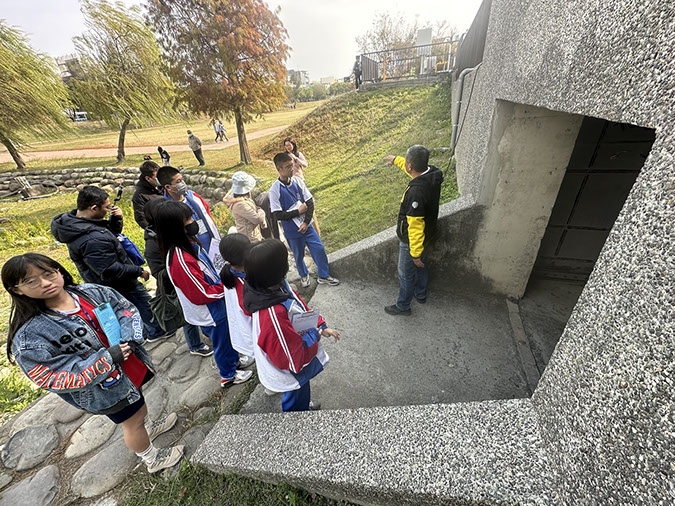
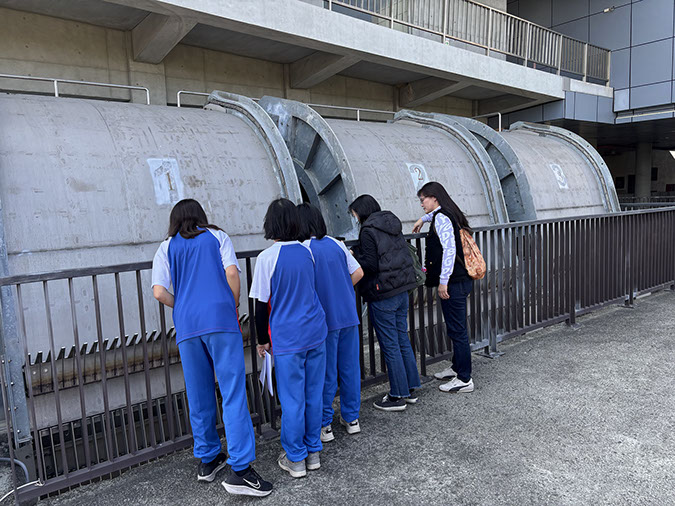
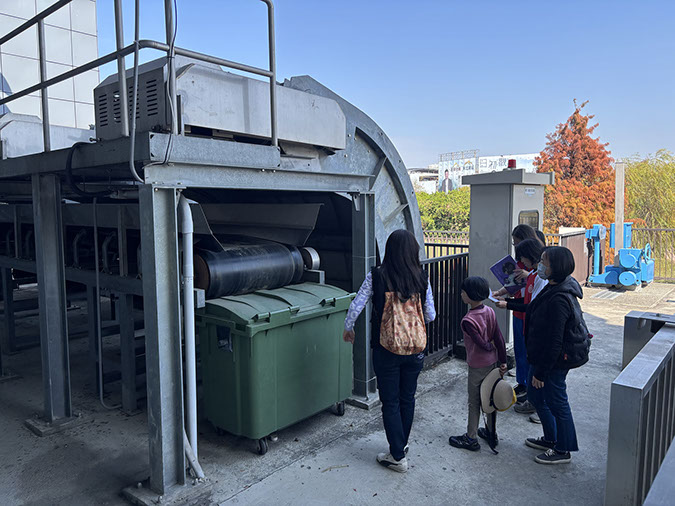
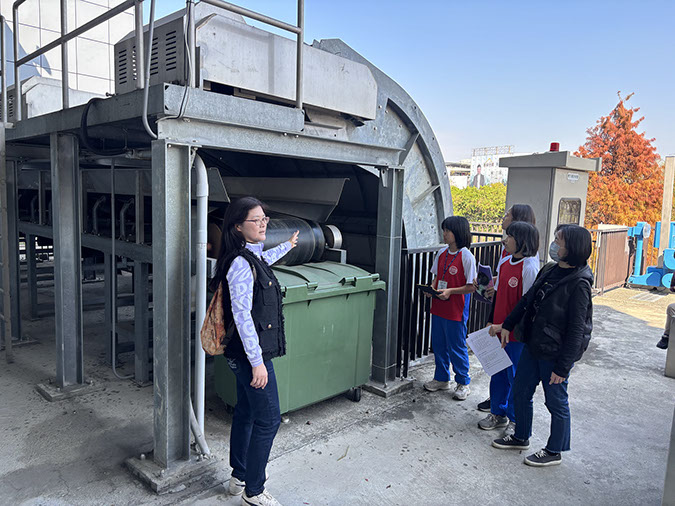
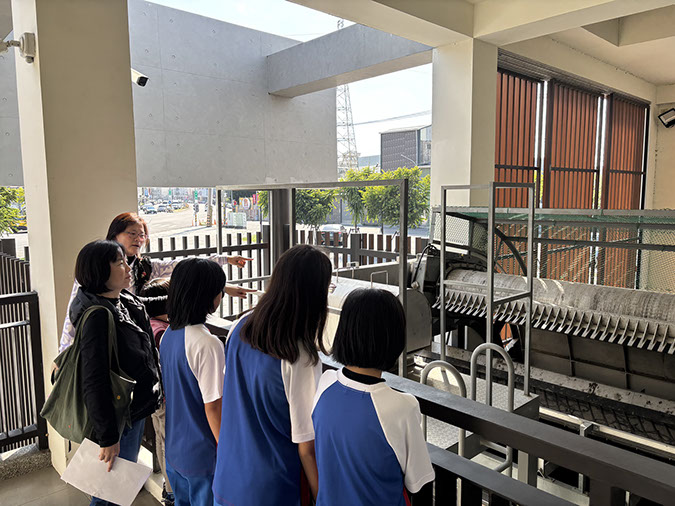
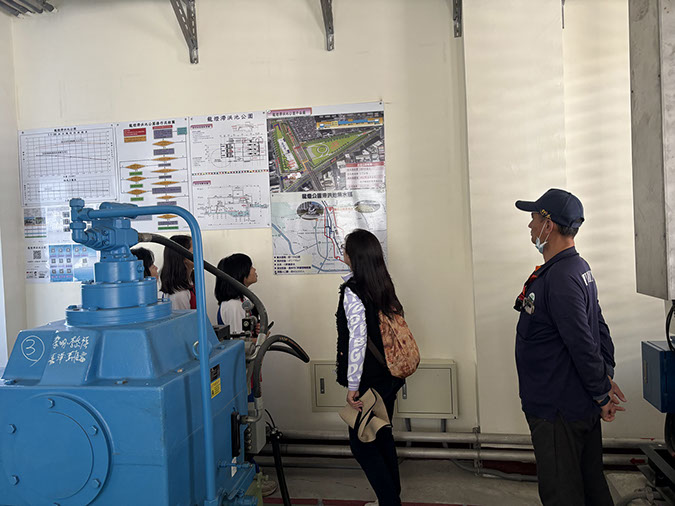
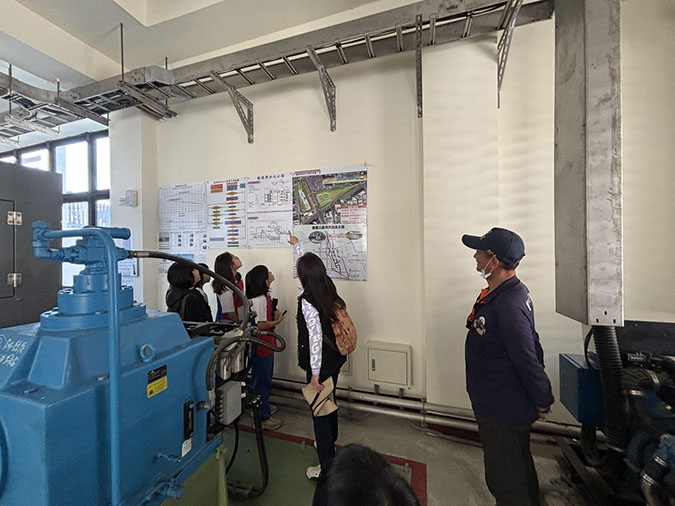
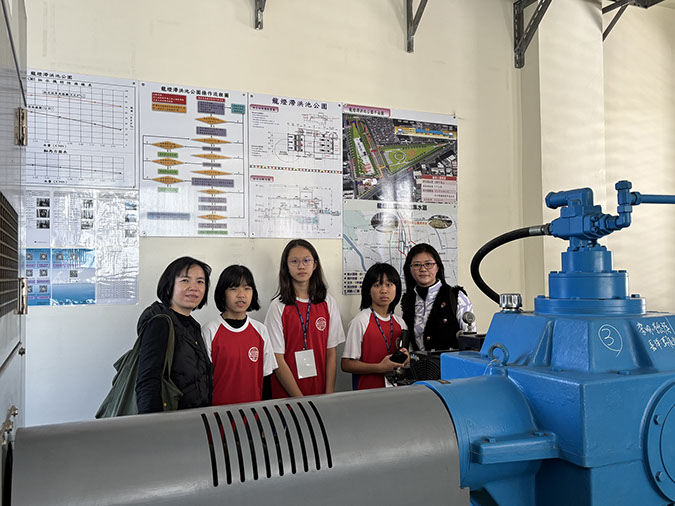
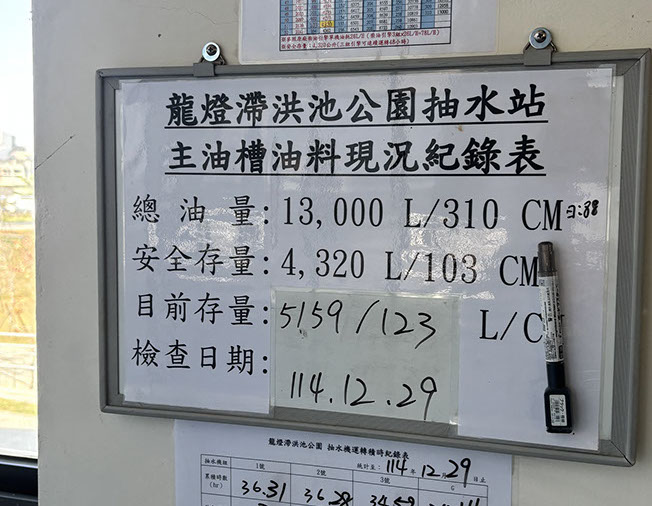
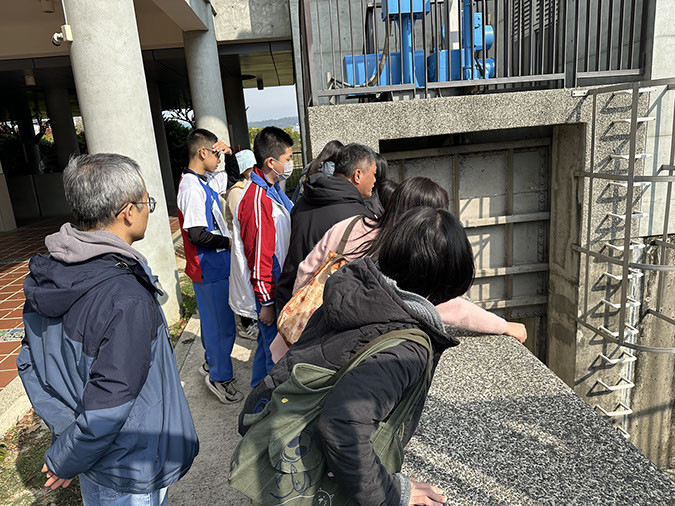
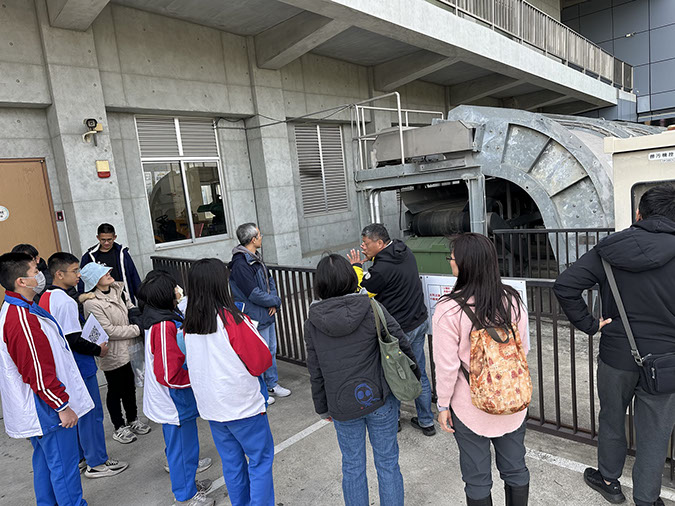
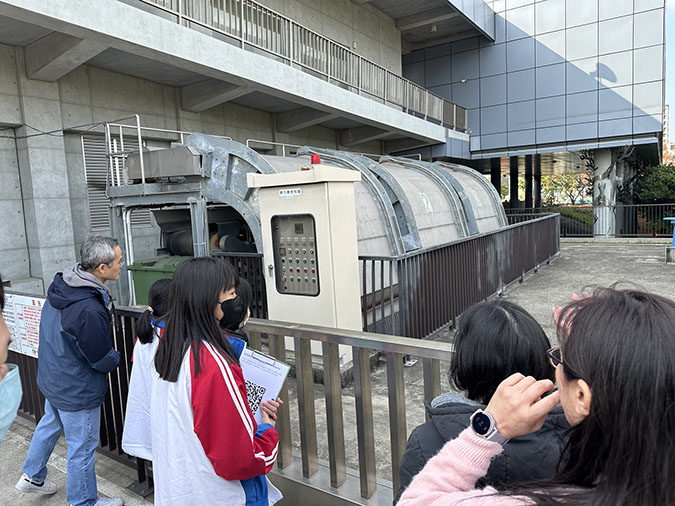
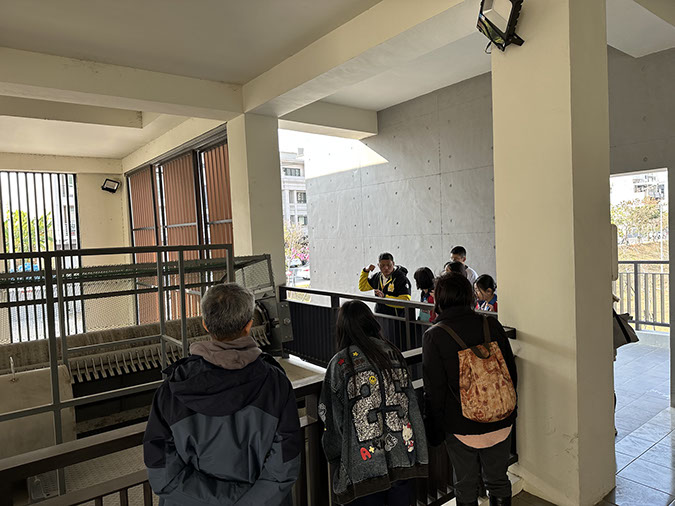
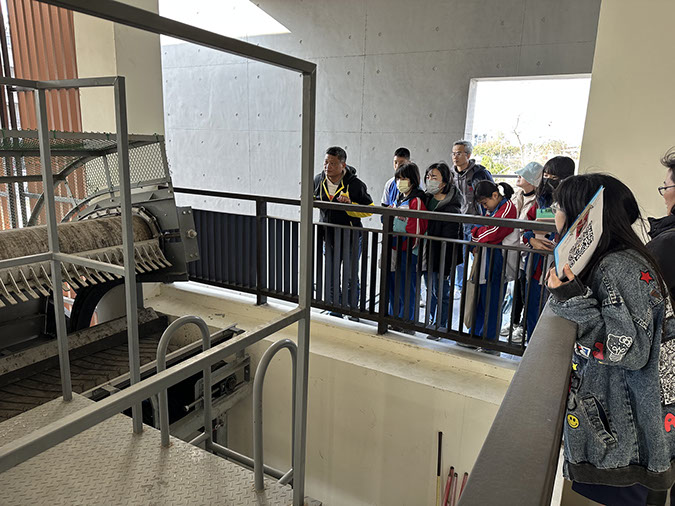
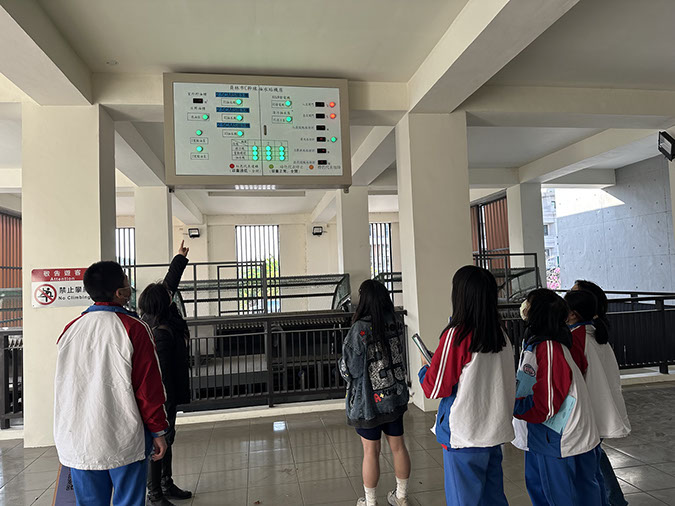
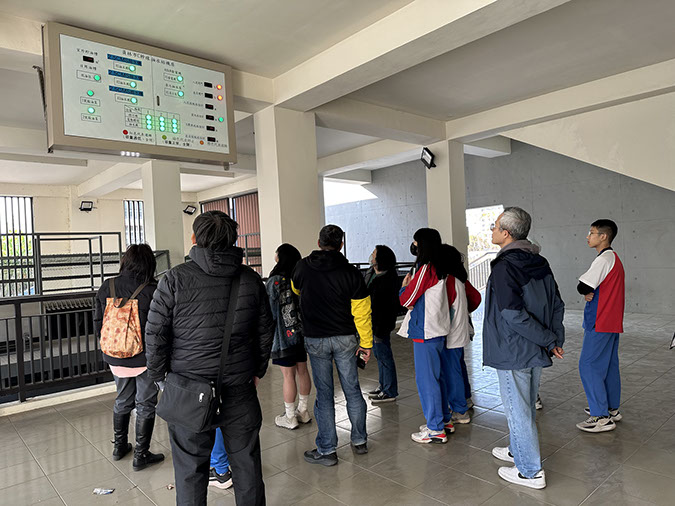
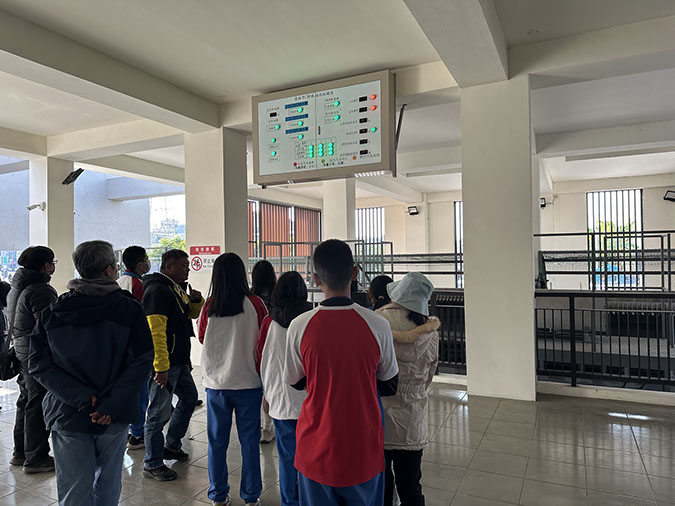
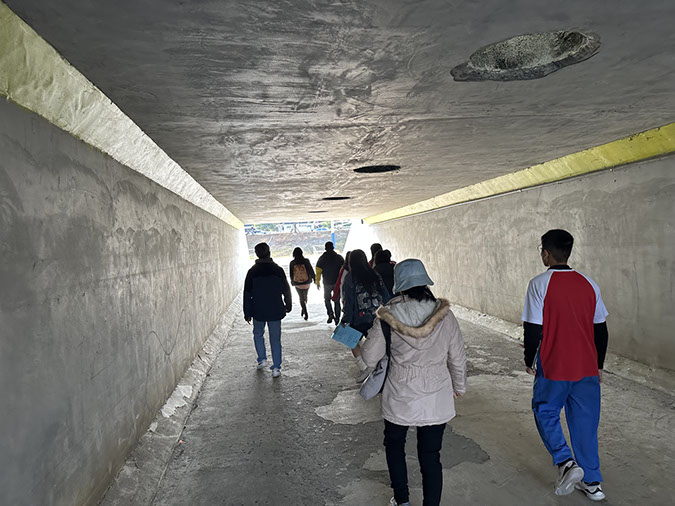
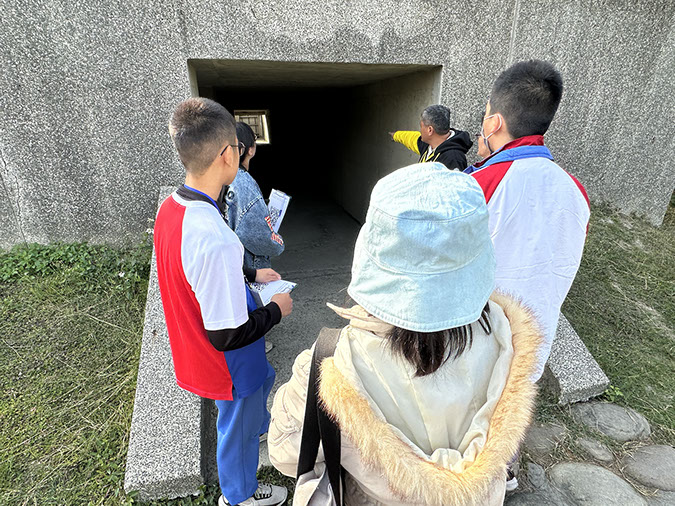
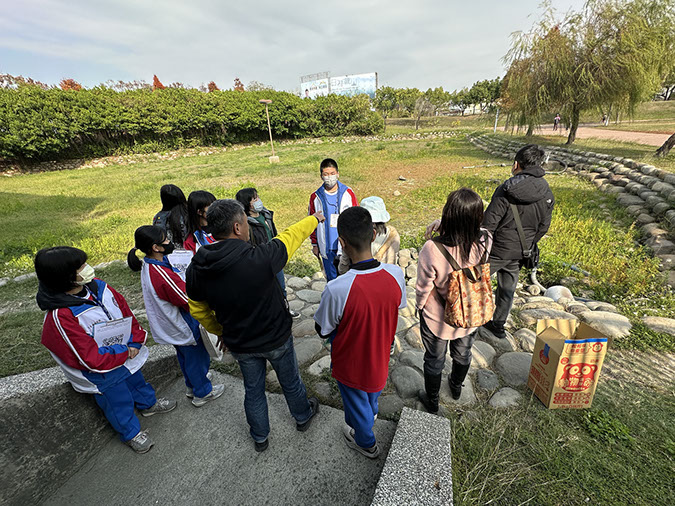
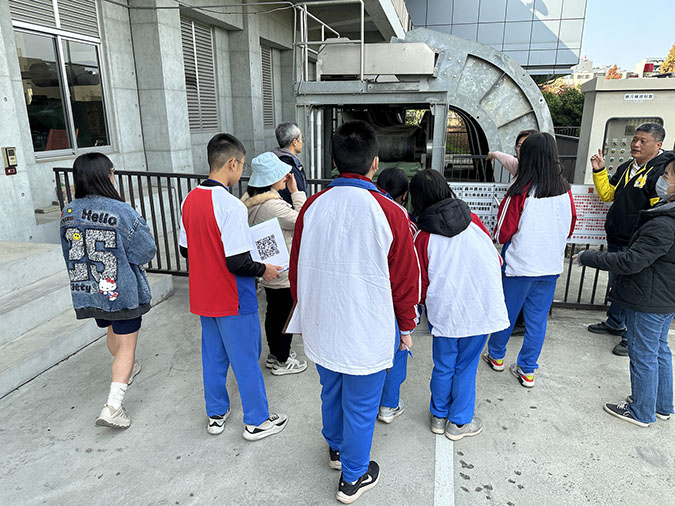
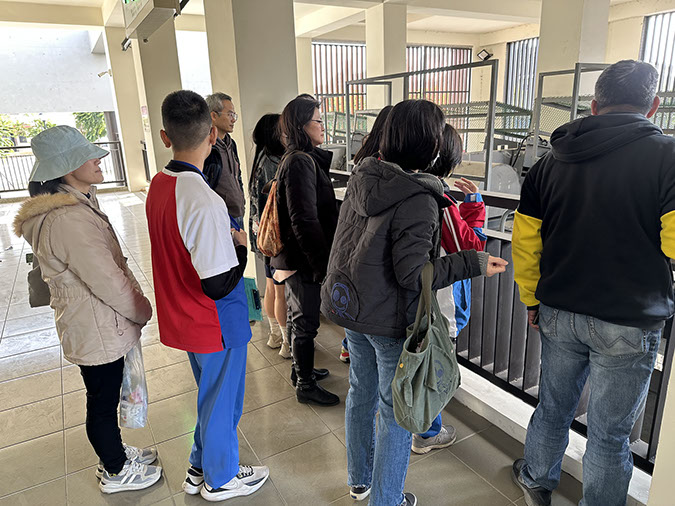
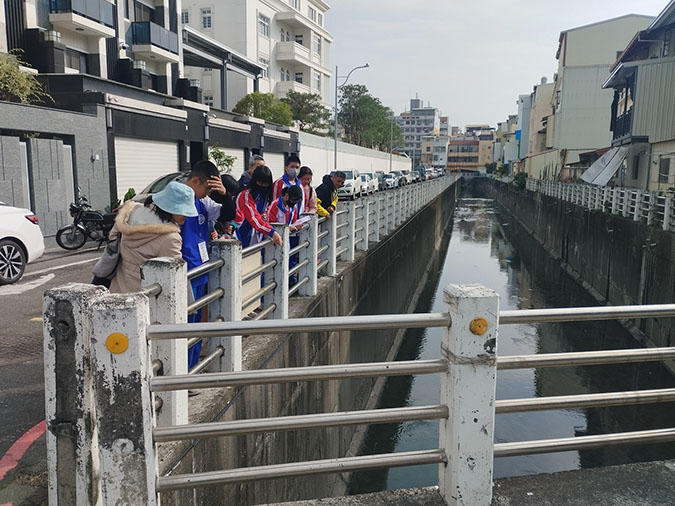
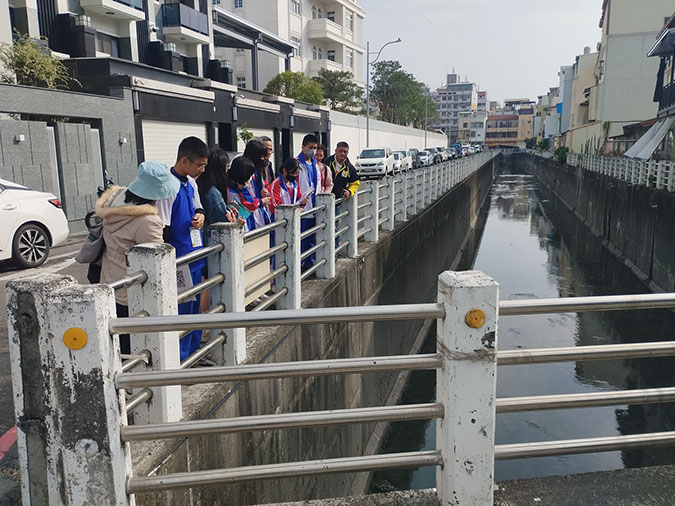


Q1: Why does Yuanlin City need to build detention ponds?
Staff: Yuanlin City sits in a unique geographical position at the foot of the Bagua Plateau, featuring a topography that is high in the east and low in the west. In the past, Yuanlin was an agricultural hub with numerous natural ponds and farmlands that could naturally absorb rainwater. However, rapid urbanization has covered vast areas of land with "impervious surfaces" like concrete and asphalt. Consequently, when heavy rain falls, water can no longer penetrate the soil; instead, it quickly turns into surface runoff that overwhelms the drainage system.
Furthermore, parts of downtown Yuanlin are low-lying with insufficient drainage slopes. When extreme precipitation exceeds the capacity of the sewers, the water has nowhere to go, leading to severe flooding. The core purpose of constructing detention ponds is to "buy time" for the city. By creating these artificial storage spaces, we can act like a sponge, "locking" the peak flood flow within the pond during a storm. Once the rain subsides and the downstream drainage system has regained capacity, the water is gradually released. This fundamentally reduces flood risks and protects the lives and property of our citizens.
Q2: Why is it called the "Twin Detention Ponds"?
Staff: The term "Twin" symbolizes synergy and vitality. This concept refers to a joint flood prevention system composed of two large-scale facilities: Yuanlin Park and Longdeng Park. These two ponds do not operate in isolation; they function in tandem, much like twins working together. Yuanlin Park, located to the north, is primarily responsible for intercepting and storing rainwater from upstream and surrounding redevelopment zones. Meanwhile, Longdeng Park, situated to the south, is integrated with the drainage system along Juguang Road.
This "dual-core" design provides Yuanlin City with two powerful "urban kidneys." When facing typhoons or plum rain fronts, the two ponds can share the pressure based on rainfall distribution. If the water level rises rapidly in one pond, the other continues to provide a buffer. This coordinated configuration not only expands the total storage capacity—to a combined total of over 100,000 cubic meters—but also builds a multi-layered flood defense line, ensuring that Yuanlin no longer relies solely on a single pumping station or drain.
Q3: What is the difference between a detention pond and a regular pond?
Staff: While they may look similar on the surface, their "functional DNA" is entirely different. A regular pond is typically a natural formation or designed for aesthetics; its water level remains relatively stable, and it lacks mechanisms to actively control flow. In contrast, a detention pond is a precision-engineered hydraulic facility designed strictly according to water conservancy regulations.
A standard detention pond consists of four major structures: the inlet, the storage basin, the outlet, and the overflow spillway. We reinforce the bottom and walls during construction to prevent soil liquefaction or erosion when storing large volumes of water. More importantly, detention ponds are equipped with automated water-level monitoring and gate control systems. When sensors detect that heavy rain is approaching a critical threshold, we pre-pump the pond to empty it, preparing it to intercept the coming deluge. It is a dynamic facility designed for "leisure in peace, flood control in war," possessing high active management capabilities rather than being a static landscape feature.
Q4: How does rainwater enter the detention pond when it rains heavily?
Staff: This is a sophisticated "diversion process." When heavy rain falls, the water first flows through street side-gutters into the underground storm sewer system. Our design includes "diversion wells" or "interception pipes" on the main lines. When the water volume in the sewers reaches a certain height (approaching saturation), the flow is guided by gravity or pumping units into the detention pond through large-scale inlets.
The entry process is usually accompanied by "sedimentation" and "filtration" mechanisms. Rainwater passes through trash racks to filter out large debris, such as litter and fallen branches, preventing clogs. Once inside the pond, the flow slows down, allowing silt and sand to settle naturally. After the weather front passes and forecasts indicate stability—and once downstream river levels have dropped to a safe height—we open the outlet gates or start the pumps to slowly discharge the stored water at an appropriate rate. This "absorb first, release later" operation ensures that downstream rivers do not overflow due to a sudden surge.
Q5: What is the maximum amount of water the detention pond can store?
Staff: The capacity of a detention pond is not dug at random; it is a precise figure calculated by engineers using computer simulations based on rainfall frequency over the past 50 to 100 years, the catchment area, and population density. In the case of Yuanlin’s twin ponds, the total capacity is quite impressive. Yuanlin Park can hold approximately 31,000 cubic meters, while Longdeng Park goes even further with a capacity exceeding 40,000 cubic meters. Together, they can handle tens of thousands of tons of instantaneous heavy rainfall.
To put this into perspective, it is equivalent to dozens of standard Olympic-sized swimming pools. This capacity is designed to cope with "short-duration intense rainfall" or continuous torrential rain. We also factor in climate change trends, reserving a certain "freeboard" (extra space) in the design to ensure the facility remains resilient during extreme natural disasters. The storage depth is typically controlled between 2 to 4 meters, balancing storage capacity with structural safety and drainage efficiency.
Q6: Why does the detention pond look like a park when it’s not raining?
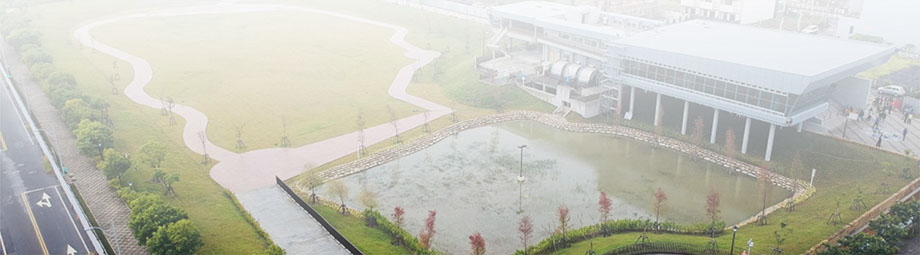
Staff: This is the core philosophy of modern "multi-functional flood prevention." In the past, flood control projects were often cold concrete walls or closed-off basins. While functional, they severed the connection between citizens and the land. When planning the Yuanlin Twin Detention Ponds, we adopted the concept of "land-use overlap." Through landscape design, the bottom of the pond is shaped into multi-level gentle slopes and large lawns, featuring circular trails, skating rinks, children's play areas, and performance stages.
For more than 300 sunny days a year, this area serves as the perfect spot for jogging, dog walking, and picnicking. This design not only addresses the shortage of green space in downtown Yuanlin but also transforms flood facilities from "unwanted neighbors" into beloved public assets. These "dry-type detention ponds" remain completely dry during the non-monsoon season, offering high safety and utility, truly realizing the vision of harmony between urban construction and quality of life.
Q7: What is the most important consideration for engineers when designing a detention pond?
Staff: The primary considerations are always "structural safety" and "fluid mechanics." This includes the stability of the pond structure under the immense weight of stored water and the precise calculation of inflow and outflow rates. We must ensure that water entering the pond doesn't cause erosion and that water leaving the pond doesn't cause secondary flooding downstream. Additionally, "siltation prevention" is crucial; excessive sediment reduces storage capacity, so we must design maintenance access for easy cleaning.
Beyond hardware, "public safety" is equally vital. Since detention ponds are open public spaces, we carefully calculate slopes to ensure that even during partial flooding, the banks remain safe with sufficient buffers, warning systems, and railings. We also prioritize "drainage efficiency" to ensure the pond can be emptied quickly between consecutive rainy days to make room for the next storm. In short, engineers must find the perfect balance between "extreme flood prevention" and "daily public use."
Q8: Are the plants in the detention pond naturally grown?
Staff: The vegetation in the detention pond is a combination of "landscaped planting" and "natural succession." During the initial completion phase, we manually plant specific wetland vegetation and drought-tolerant species. These plants are chosen for their resilience; they must survive dry periods while remaining rot-resistant during floods. Their function is not just aesthetic; they help stabilize the soil against erosion and filter suspended solids from the rainwater through their root systems.
Over time, the detention pond forms a micro-ecosystem that attracts insects and birds. Many wild grass species are introduced naturally by wind or animals. We perform regular weeding and pruning to preserve native species with ecological value while removing aggressive invasive species that might block drainage. This semi-artificial, semi-natural management style turns the detention pond into an "urban ecological island," adding rich biodiversity to our city forest.
Q9: Does the detention pond require daily management?
Staff: Yes, management is a year-round commitment. During normal times, staff perform routine patrols to check for debris in drainage grates, ensure lighting is functional, and maintain the cleanliness of park facilities like trails and lawns. This ensures safety and comfort for citizens. Furthermore, mechanical equipment—such as gates, pumps, and monitoring systems—requires regular testing and maintenance, much like starting a car to ensure it doesn't fail when needed.
Once we enter the flood season (May to November), management intensity increases significantly. We closely monitor forecasts from the Central Weather Administration. When a warning is issued, the management team moves on-site or uses cloud-based monitoring to pre-discharge any residual water to the lowest level. During heavy rain, dedicated personnel monitor water level changes in real-time to adjust flow rates. This "dynamic management" is the key to successful flood control; without proper oversight, the pond’s effectiveness would be greatly diminished.
Q10: If it rains extremely hard, will the detention pond overflow?
Staff: This is a professional risk management question. In hydraulic engineering, we use a "design basis"—for example, the ability to withstand 300mm of cumulative rainfall over 24 hours. While the capacity is large, if we encounter extreme events like a major typhoon, the pond could indeed reach full capacity. To handle this, we have designed "overflow facilities" such as overflow weirs or large bypass pipes.
When the water reaches a critical limit, the excess is diverted in an orderly fashion to pre-designated rivers or large drains—much like the overflow hole in a bathroom sink. This ensures that even under extreme overload, the pond structure itself will not collapse due to excessive pressure, preventing a catastrophic flood. Simultaneously, the government activates urban evacuation mechanisms. Engineering has its limits, but through the coordination of design and early warning systems, we can minimize damage.
Q11: Is a detention pond the same as a reservoir?
Staff: While similar in concept, their "mission objectives" are quite different. A reservoir is primarily for "water resource utilization." It acts like a giant savings account, collecting and storing rainwater over the long term to provide water for daily life, irrigation, and industry. Consequently, reservoirs are usually located in the mid-to-upper reaches of rivers, and the goal is to keep them as full as possible.
In contrast, the main task of a detention pond is "disaster prevention." Its function is more like a "temporary holding zone" for the city. Detention ponds usually stay dry (or keep only a small amount of landscape water) to maximize space for sudden storms. Once water enters, the goal is "buffering" rather than "storage," and it is emptied in a short time. Simply put, a reservoir is for "solving the problem of too little water," while a detention pond is for "solving the problem of too much water." Their operational logic is opposite, yet both are indispensable to urban water safety.
Q12: Will the detention pond affect the lives of nearby residents?
Staff: In the vast majority of cases, the impact is overwhelmingly positive. The most direct benefit is the "increase in the sense of security." Nearby residents no longer have to worry about flooding, property damage, or traffic disruptions every time it rains, which benefits both property values and mental health. Secondly, the large open space serves as a sports and social hub, improving overall living quality.
Of course, if any large public facility is poorly managed, concerns like mosquito breeding in standing water or odors during silt removal may arise. To minimize these negative impacts, we focus on high drainage efficiency to ensure the pond floor dries quickly after rain, and we perform regular desilting and disinfection. We also design landscape lighting to respect the tranquility of the neighborhood. Overall, the detention pond is like a "luxury backyard with flood control functions," acting as a major asset to the community.
Q13: Does this detention pond have environmental education functions?
Staff: Yes, this was a social mission given to the Twin Detention Ponds from the very beginning. We wanted it to be more than just an engineering project; we wanted a "living geography classroom." We have installed many interpretive signs explaining detention principles, local hydraulic history, and wetland ecology. For students, they can witness the water cycle in action and understand why urban development needs the assistance of a "Sponge City."
Many schools and organizations conduct outdoor lessons here to observe bird species and plant succession across seasons. Furthermore, we hold disaster prevention awareness activities to help the public understand the threats of climate change and how to coexist harmoniously with nature. When citizens understand how these facilities work, they cherish these resources more and gain the judgment needed during disasters. This subtle environmental education fosters a long-term civic respect for home safety and ecological conservation.
Q14: Will more detention ponds be built in the future?
Staff: This is an inevitable trend. With global climate change, the frequency and intensity of extreme rainfall are increasing. Traditional sewers and pumping stations are no longer enough. The government’s current strategy is "runoff sharing and outflow regulation," which means that after rain hits the ground, every development site should share the responsibility for water storage rather than pushing it all into the main drains.
In future urban planning, we will more actively promote "small but beautiful" detention spaces, such as storage tanks under school playgrounds, large parks, or even within the foundations of new building projects. The success of the Yuanlin Twin Detention Ponds proves that combining leisure with disaster prevention is highly popular. In the future, we may not necessarily build such massive facilities every time, but we will integrate the "detention concept" into every corner of the city, turning the entire urban area into a resilient "sponge."
Q15: What do you think is the greatest value of the Yuanlin Twin Detention Ponds?
Staff: I believe its greatest value lies in "creating prosperity for people, the city, and nature." Past flood control logic was based on "confrontation"—trying to block water out with high walls, which often failed. The Twin Detention Ponds represent "coexistence" and "respect." They effectively cured long-standing flooding issues while transforming land previously seen as an engineering burden into a social and ecological space that enriches citizens' lives.
It acts as a "calming pill" for the public, giving Yuanlin residents more confidence in their living environment. The deeper value lies in the city's "Resilience"—the ability to absorb shocks and recover quickly. When a city is no longer afraid of rain, but instead enjoys the ecological landscape after a storm, that is a symbol of progress. This is more than just a stack of concrete and soil; it is a significant milestone for Yuanlin’s journey toward becoming a "sustainable and livable city."

Changhua County Ming Lun junior high school, Taiwan.
Ming Lun Junior High School 2026 Cyber Fair