


Global Detention Basin Case Studies
1. United States – Houston Stormwater Detention Basin System
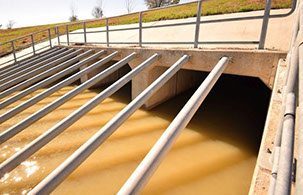
Houston, Texas in the United States frequently experiences severe flooding due to hurricanes and heavy rainfall. To reduce flood risk, the Harris County Flood Control District has constructed many large detention basins across the region. These basins temporarily store excess stormwater during storms and release it gradually into nearby bayous and rivers.
One example is the Willow Waterhole Stormwater Detention Basin, which can store up to 608 million gallons of stormwater across a complex of lakes covering more than 300 acres. These basins prevent floodwater from entering homes and businesses during heavy storms. In addition, many detention basins in Houston are designed as public parks and green spaces, allowing residents to use the area for recreation when there is no flooding.
This approach shows how flood control infrastructure can serve both environmental protection and community recreation.
2. Japan – Metropolitan Area Outer Underground Discharge Channel (Tokyo)
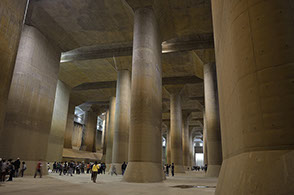
Japan faces frequent typhoons and intense rainfall, especially in the Tokyo metropolitan area. To protect the city from flooding, Japan built the Metropolitan Area Outer Underground Discharge Channel, also known as G-Cans.
This system is the largest underground floodwater diversion facility in the world. It includes five huge vertical shafts connected by 6.4 km of underground tunnels, located about 50 meters below ground. During heavy rainfall, excess water from nearby rivers flows into the underground shafts and tunnels, where it is temporarily stored. Powerful pumps then discharge the water into the Edo River, preventing the rivers in Tokyo from overflowing.
This project demonstrates how highly urbanized cities can build large underground flood storage systems to manage extreme rainfall.
3. Netherlands – Rotterdam Water Squares
The Netherlands is a country with much land below sea level, so managing water is extremely important. In the city of Rotterdam, engineers and urban planners developed an innovative solution called Water Squares.
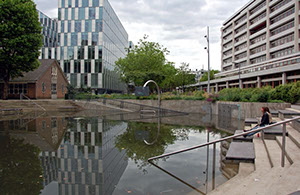
A famous example is Benthemplein Water Square, which is a public plaza designed to temporarily store rainwater during heavy storms. When it rains heavily, the square collects stormwater from surrounding streets and roofs, storing thousands of cubic meters of water. After the storm, the water slowly drains into the city’s drainage system.
During dry weather, the space functions as a sports court and community gathering area. This design combines urban landscape, recreation, and flood control, making it an example of modern climate-resilient urban design.
Conclusion
These three international examples show different approaches to flood control:
Country Example Key Feature
United States Houston Detention Basins Large surface basins integrated with parks
Japan Tokyo G-Cans Underground System Massive underground flood storage tunnels
Netherlands Rotterdam Water Squares Public plazas that temporarily store rainwater
Together, these cases demonstrate how cities around the world are developing innovative detention systems to adapt to extreme rainfall caused by climate change.
References
Harris County Flood Control District – Detention Basins
https://www.willowwaterhole.org/mitigation-and-detention/
Metropolitan Area Outer Underground Discharge Channel (G-Cans)
https://en.wikipedia.org/wiki/Metropolitan_Area_Outer_Underground_Discharge_Channel
Nippon.com – Underground Flood Control Facility
https://www.nippon.com/en/views/b06302/
Rotterdam Climate Initiative – Water Squares
https://landezine.com/water-square-benthemplein-by-de-urbanisten/
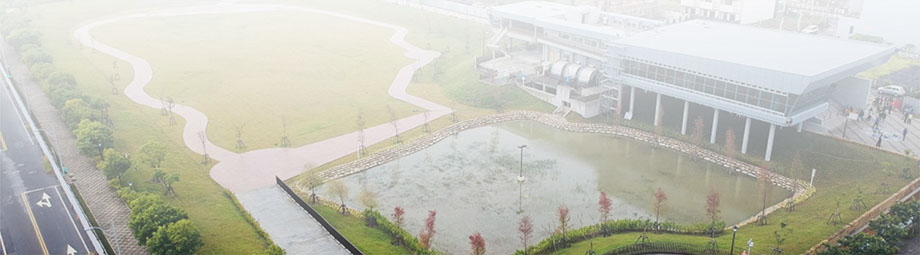

Changhua County Ming Lun junior high school, Taiwan.
Ming Lun Junior High School 2026 Cyber Fair