


Climate Change and Extreme Weather
Climate change refers to long-term, significant changes in Earth's climate, such as rising temperatures, altered rainfall patterns, and rising sea levels. Scientists point out that the primary cause of modern climate change is human activity's extensive use of fossil fuels (such as coal, oil, and natural gas), resulting in the emission of large amounts of greenhouse gases and the phenomenon of "global warming."
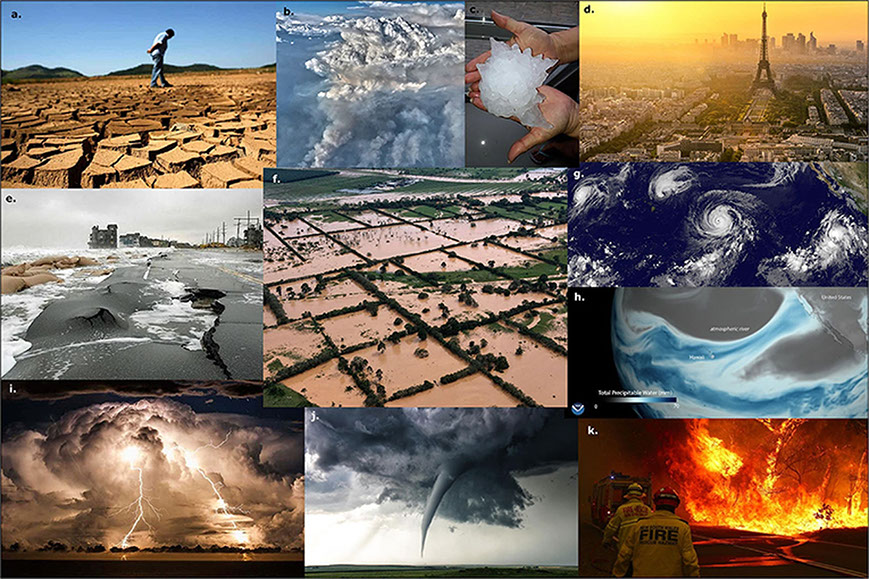
When global average temperatures rise, the energy in the atmosphere and oceans increases, making the climate system more unstable. Consequently, the frequency and intensity of various extreme weather events gradually increase. These extreme weather events include heat waves, torrential rains, floods, droughts, and strong typhoons.
First, extreme heat and heat waves are among the most common extreme weather events. As global temperatures rise, heat waves occur more frequently and last longer. High temperatures not only cause heatstroke and heat exhaustion but also increase electricity demand, such as through increased use of air conditioning. For agriculture, high temperatures affect crop growth, leading to decreased food yields.
The second common type of extreme weather is heavy rainfall and flooding. As temperatures rise, the atmosphere can hold more water vapor, resulting in more concentrated and intense rainfall, which can easily cause urban flooding, river overflows, and landslides. Many studies indicate that global warming will exacerbate rainfall events.
The third type of extreme weather is drought. Climate change alters the global water cycle, reducing rainfall in some areas or causing prolonged periods without rain. Droughts lead to water shortages, crop failure, and even forest fires.
The fourth type is powerful typhoons and storms. When ocean temperatures rise, typhoons and hurricanes gain more energy, resulting in stronger winds and heavier rainfall, causing severe damage to coastal areas.
Furthermore, climate change also causes sea levels to rise. Global warming melts glaciers, and the resulting seawater expansion threatens coastal cities with flooding and coastal erosion.
Extreme weather has many impacts on human life. Firstly, there are health problems, such as heatstroke, worsening air pollution, and the spread of infectious diseases. Secondly, there are food security issues, as crops may suffer reduced yields due to high temperatures, drought, or floods. Next comes economic loss. Extreme weather can damage roads, bridges, and houses, causing enormous property damage.
To address climate change, humanity must adopt two strategies: mitigation and adaptation. Mitigation strategies primarily involve reducing greenhouse gas emissions, such as developing solar and wind power, conserving energy, promoting electric vehicles, and planting trees. Adaptation strategies focus on reducing the impact of disasters, such as building flood control facilities, constructing retention ponds, improving drainage systems, and establishing disaster early warning systems.
In summary, climate change has become a major global environmental issue. Extreme weather not only affects the natural environment but also has a profound impact on human society, the economy, and daily life. Therefore, governments and people worldwide must work together to reduce carbon emissions and enhance disaster preparedness to protect the future of our planet.
References


Changhua County Ming Lun junior high school, Taiwan.
Ming Lun Junior High School 2026 Cyber Fair