
What information tools & technologies did you used to complete your CyberFair project?
We used Word 2021 for writing, MUSE CC for website creation, and FileZilla for uploading pages. Photos were taken with cameras and smartphones, then edited with Photocap and nEO IMAGING. Team communication and file sharing were done via Line, Facebook, and Google Drive. Equipment included desktops, laptops, voice recorders, and USB drives to ensure smooth workflow and data safety.
In what ways did you act as "ambassadors" and spokespersons for your CyberFair project both on-line and in person.
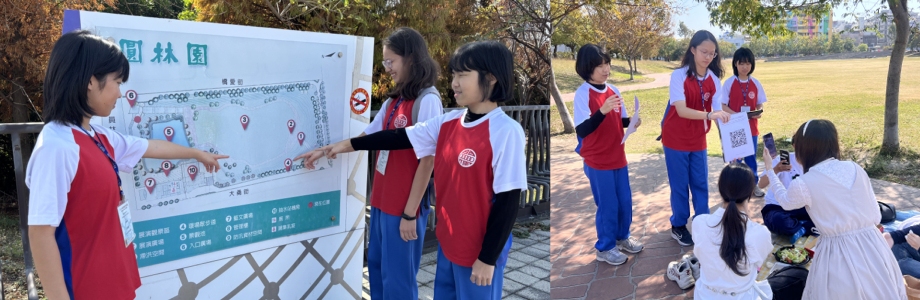
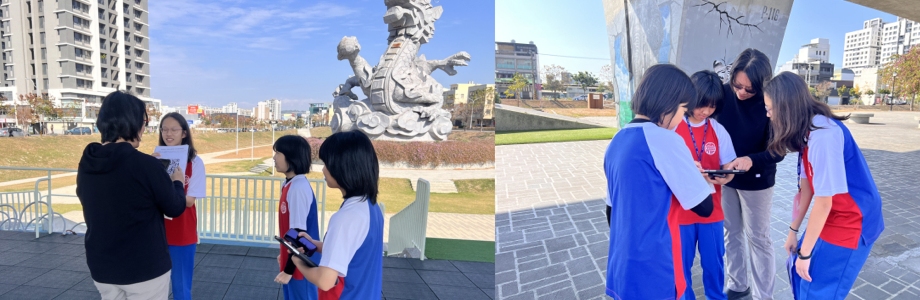
Our Minglun team serves as CyberFair project ambassadors by actively sharing our research and promoting environmental awareness. We present our findings during school assemblies, introduce the functions of the detention ponds to community residents, and share research videos on social media platforms. We organize small guided tours and explain the importance of climate adaptation to younger students. Through these efforts, we act not only as researchers but also as advocates for environmental education.
What has been the impact of your project on your community?
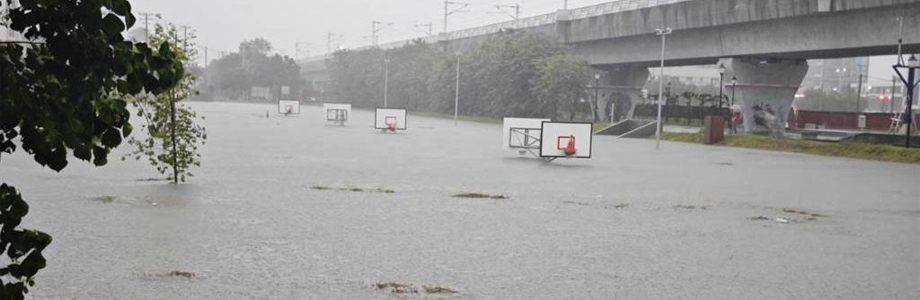
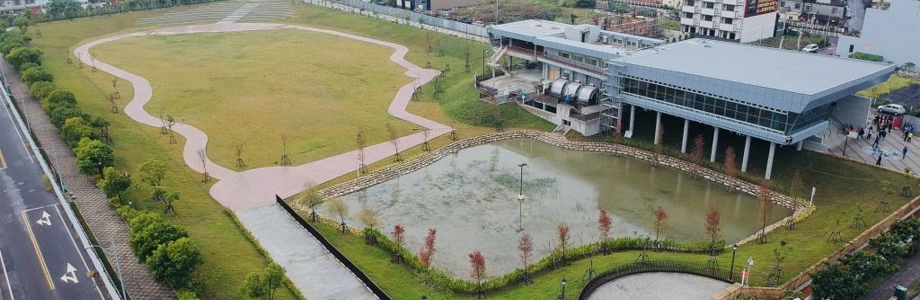
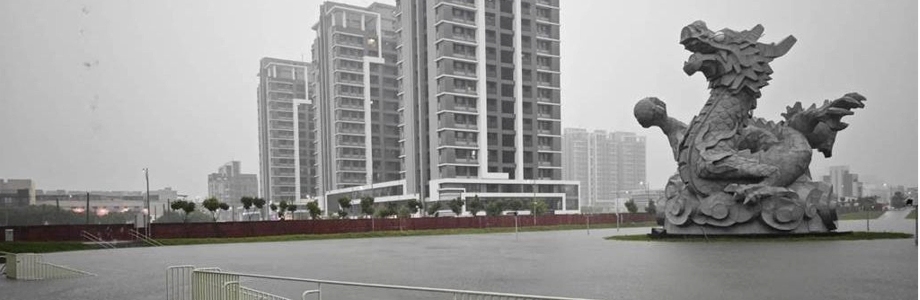
This project has strengthened the community’s understanding and appreciation of the detention ponds, highlighting their role as an integrated flood control system rather than just “a pond.” It has raised awareness of disaster prevention and climate change issues, fostered dialogue between students and local government, and reinforced community recognition of blue–green infrastructure. Feedback from residents indicates that our explanations have helped them better grasp the multifunctional value of the detention ponds in urban resilience.
How did your project involve other members of your community as helpers and volunteers?
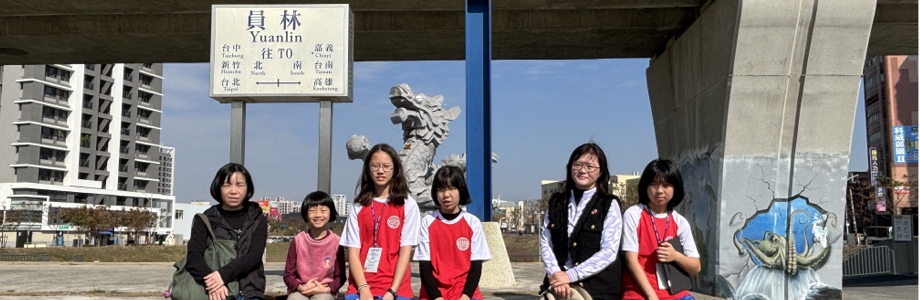
This project exemplifies a collaborative effort that brings together government, schools, and the local community. Village leaders helped connect us with interviewees, while water management authorities provided expert data. Residents actively participated through interviews and surveys, and parents supported logistics, including transportation and filming. School teachers guided our research methods, ensuring the project combined professional knowledge, community engagement, and educational guidance into a meaningful, cooperative outcome.
Discoveries, Lessons and Surprises (Optional)
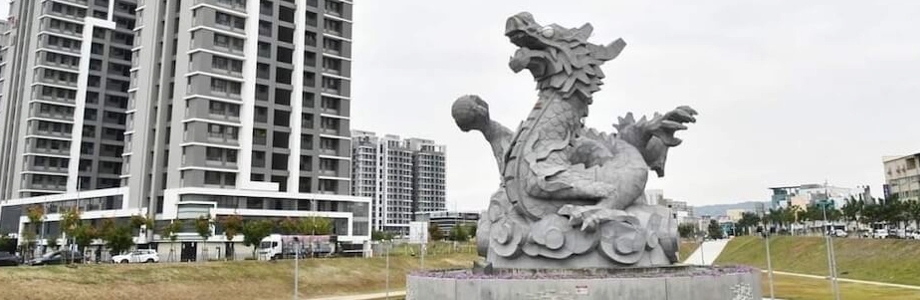
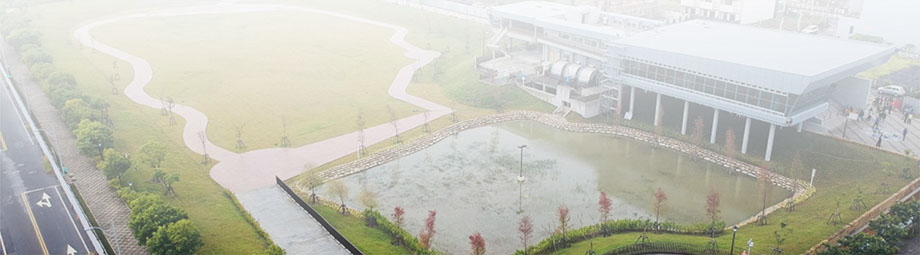
Finding: Although the detention ponds appear as lush green spaces, they are underpinned by a sophisticated flood control system. Lesson: Environmental issues require long-term observation and ongoing attention to fully understand their impact. Surprise: What was originally designed solely for flood prevention has also become a thriving habitat for birds and a welcoming recreational space for people.

Changhua County Ming Lun junior high school, Taiwan.
Ming Lun Junior High School 2026 Cyber Fair